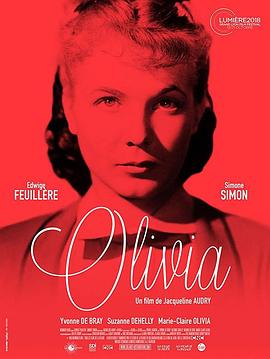
看《奥莉维娅》时,最让我揪心的是那些安静的瞬间:新来的女学生奥莉维娅站在走廊尽头,阳光斜切过她颤抖的手指,而校长米勒小姐只是远远望着她,两人之间隔着几米,却像隔了整个青春期的心事。影片最动人之处在于没有戏剧化的冲突,而是用日常对话、眼神交汇和短暂的沉默,勾勒出青春期情感认知的复杂性。怎么说呢,整部片子就像一本被翻旧了的少女手记——画面有种朦胧的柔光感,镜头里女校的走廊、宿舍、花园都带着种欲说还休的克制。与同年上映的《穿制服的女孩》相比,这部影片放弃了戏剧化的冲突,转而用细腻的室内光影和钢琴声的断续来刻画压抑。Edwige Feuillère饰演的校长Mlle Julie,每一次转身都带着克制而危险的温柔,而Yvonne de Bray扮演的女仆则用一种疲惫而洞悉一切的眼神,撑起故事里成人世界的暗流。如果你能忍受没有配乐烘托的长镜头,喜欢在细节里读取人物的挣扎,这部电影会像一封潮湿的信,慢慢洇出那个时代被压抑的情感的真实颜色。
大概是法国第一部描写女同志的故事片吧。 Olivia (also known as Pit of Loneliness) is a 1951 French film directed by Jacqueline Audry. It is based on the 1950 semi-autobiographical novel by Dorothy Bussy. It has been called a landmark of lesbian representation. Olivia arrives at a finishing school and falls in love with headmistress Mlle. Julie. Mlle. Julie feels the same, but tries to suppress her desire. For her part as Mlle. Julie, Edwige Feuillère was nominated for a BAFTA award for Best Foreign Actress in 1952. French director Audry made 18 feature films from 1944 to 1972. Her earliest films are prime examples of the French 'tradition of quality.' She favored plots adapted from French literature. Audry is most distinguished from her peers in that her films were primarily focused upon female leads, whereas traditional French cinema is centered around the lives of men. Her most notorious film was 1951's Olivia, which dealt with lesbian relationships.相关搜索:
奥莉薇娅香槟奥利维亚·罗德里戈电影《奥莎娜》完整版周杰伦奥菲莉亚奥莉薇娅香槟