故事是这样的:一座偏远小镇上,一个自称“太阳神”的神秘人突然出现,他带来奇异的治病能力和不祥的预言,居民们从怀疑到狂热,家庭关系被撕扯,人性中的贪婪与恐惧逐一显露。对比同题材的社会批判片,这部更侧重“人如何被环境缓慢腐蚀”,而非直接控诉。看完你会觉得,哎,生活真他妈不容易。如果你是那种对“德国中产阶级精神困境”感兴趣、且能耐心咀嚼缓慢叙事节奏的观众,这部片子对比同期同类作品,它最独特的地方在于:施隆多夫没急着给道德判断,而是让日常场景本身暴露出制度的荒谬。没有谁在“演”,每个人物都像被钉在特定的社会关系里动弹不得。这部电影更适合愿意沉下心、不急着要答案的观众,它会让你在结束后还反复回想:那些没说出口的话,其实比任何台词都重。
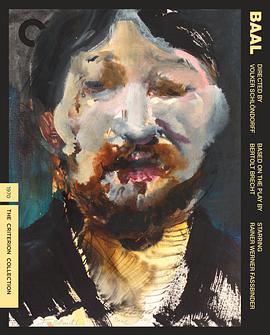
Volker Schlöndorff transposes Bertolt Brecht’s late-expressionist work to latter-day 1969. Poet and anarchist Baal lives in an attic and reads his poems to cab drivers. At first feted and later rejected by bourgeois society, Baal roams through forests and along motorways, greedy for schnapps, cigarettes, women and men: ‘You have to let out the beast, let him out into the sunlight.’ After impregnating a young actress he soon comes to regard her as a millstone round his neck. He stabs a friend to death and dies alone. ‘You are useless, mangy and wild, you beast, you crawl through the lowest boughs of the tree.’
The film takes youthful impetuousness and hatred of oppression as its subject and also ponders the cult of genius and sexual morals. Rainer Werner Fassbinder simultaneously plays both Baal and himself and is surrounded by many actors who were later to perform in his own films. After the film was broadcast on West German television, Brecht’s widow Helene Weigel prohibited any further screenings, arguing that the social circumstances engendering Baal’s rebelliousness had not been adequately explained.
相关搜索:
太阳神是哪位神仙太阳神中国叫什么太阳神是谁的化身太阳神是哪位神仙太阳神最忌讳的三个属相